

Will Quinn Ewers’ 7th-round slide influence prospects’ decisions to go pro or take NIL money?

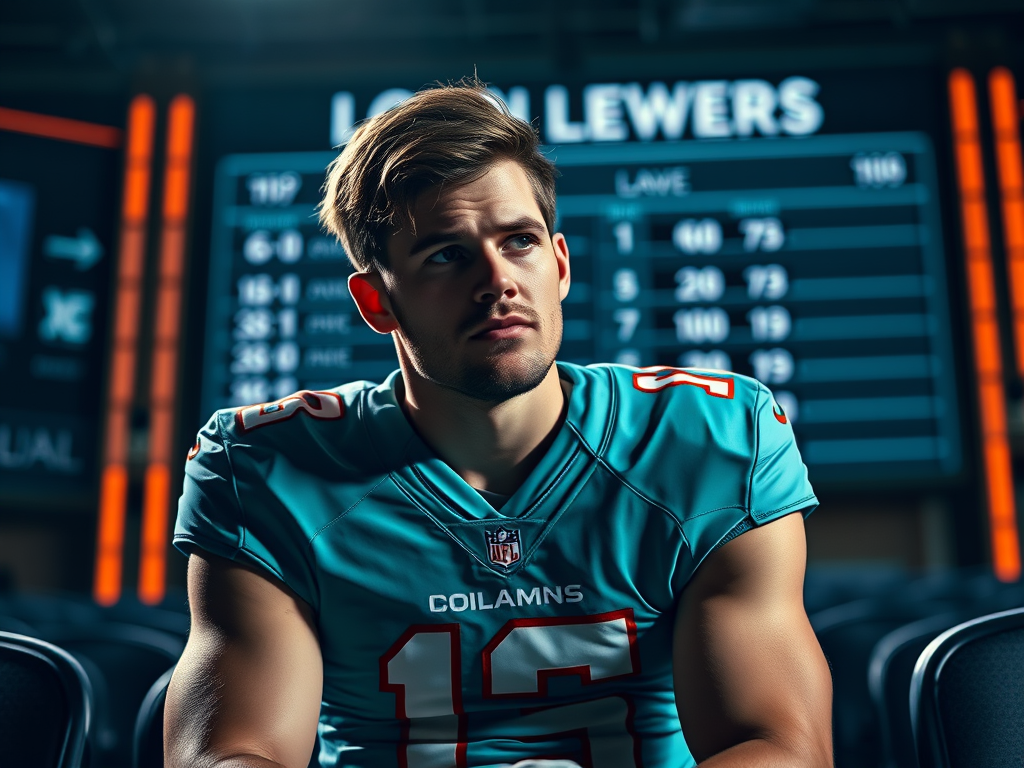
While much of the 2024 NFL Draft coverage focused on Shedeur Sanders, another major storyline quietly unfolded: the unexpected fall of quarterback Quinn Ewers. Once a highly-touted recruit who achieved great success at Texas, Ewers ultimately slid all the way to the seventh round, where the Miami Dolphins selected him with the 231st overall pick.
This decision to leave college early, passing up significant potential earnings through NIL deals, has sparked plenty of debate. Was declaring for the draft the right move for Ewers, given how things turned out?
The Athletic’s Chris Vannini and Sam Khan, both of whom closely followed Ewers’ college career, recently expanded a text conversation into a detailed discussion about the quarterback’s draft day outcome and its implications.
Vannini:
While much of the media spotlight during the draft was on Sanders, you and I were really captivated by Ewers’ situation. Unlike Sanders, Ewers still had college eligibility left. He chose to forgo it, turning down lucrative NIL opportunities to enter the draft. Now that we’ve seen him slip to the seventh round, it raises an important question: did he make the right choice?
First, though, I’m curious about your initial reaction to him falling so far. Personally, I was stunned that he was drafted after several quarterbacks I rated lower.

Khan:
I was definitely surprised. I had projected Ewers to land somewhere between the third and fifth rounds. Dane Brugler, our NFL Draft analyst, even assigned him a third-round grade in The Beast. Certainly, there were concerns: Ewers struggled with injuries throughout his time at Texas, his deep-ball accuracy needed improvement, and his pocket presence could be erratic.
Still, his positives — a strong arm, quick release, solid touch on throws, toughness, and composure under pressure — seemed to outweigh the negatives. I expected a team to take a chance on him much earlier than they did.
It’s worth noting that some NFL scouts viewed him as more of a dependable backup than a future franchise quarterback. One scout I spoke with right after Ewers declared saw him as a potential spot starter, but not someone to build a team around.
His draft-day slide inevitably reignited the debate: should Ewers have stayed in college another year?

Vannini:
Honestly, I’m not sure how long his NFL career will last, but I do believe he should have been drafted ahead of guys like Graham Mertz and Riley Leonard, who went in the sixth round. Even quarterbacks like Dillon Gabriel and Jalen Milroe, both third-round picks, seemed like lesser prospects to me.
Financially, it’s clear he sacrificed a lot. Had he stayed in college, he could have transferred and likely secured at least $4 million in NIL earnings for the 2025 season alone. Just look at the deals Carson Beck and Darian Mensah secured during the most recent transfer cycle. In contrast, his draft slot value with the Dolphins stands at $4.3 million over four years, assuming he sticks around that long.
Given all that, it seems like a clear misstep for him to have declared early. Tell me why you disagree.
Khan:
I see where you’re coming from, but there’s more to consider. I never got the sense Ewers wanted to transfer and finish his college career somewhere other than Texas. Growing up a Longhorns fan, playing quarterback at Texas was his dream. And he fulfilled it — leading the team to two consecutive College Football Playoff semifinal appearances and leaving a meaningful legacy.
Sure, he could have earned a fortune through NIL at another school. But he already did extremely well financially during his college career. Remember, he signed a $1.4 million memorabilia deal as soon as he reclassified and joined Ohio State. During his three years at Texas, he landed numerous NIL deals — from national campaigns like Dr Pepper commercials to partnerships with EA Sports, New Era, and even a private jet company. Plus, there was likely considerable NIL income from the Texas One Fund collective.
In other words, he wasn’t hurting for money. I don’t think financial gain was the primary driver behind his decision to turn pro. It seemed like he felt ready to move on, especially given the quarterback landscape in this year’s draft class, which wasn’t particularly strong.
Vannini:
That’s a fair point. It’s easy for me, someone who hasn’t earned millions, to suggest he made a mistake passing up more guaranteed money. But still — that’s a lot of money left on the table!
At the time, the argument that this was a relatively weak quarterback class made sense. His stock may not have risen much by staying another year, especially with next year’s class looking much stronger. Plus, pre-draft projections had him pegged for somewhere in the middle rounds.
Looking back, though, if you had told Ewers in January that he’d end up being a seventh-round pick, do you think he would have reconsidered?
Khan:
If Ewers had known he’d drop this far, I believe it would have influenced his decision heavily. But that’s the challenge: prospects must make their declarations based on incomplete information. At the time he declared, most projections still had him going much higher.
Ewers had compiled an impressive resume with 36 college starts, including big wins against Alabama and Michigan and tough losses against Oklahoma State and Georgia. He’d showcased his abilities in the SEC and elevated Texas to new heights. How much more could he have proven with another year at a different school?
You also have to factor in his injury history — a clavicle injury in 2022, an AC joint sprain in 2023, and an oblique injury in 2024. Durability concerns likely contributed to his draft slide. Staying another year would have exposed him to even more physical risks, all while adjusting to a new offense, teammates, and coaching staff.
Given all that, I genuinely believe Ewers made the right call when he did. Unfortunately, the outcome wasn’t what he hoped for.
That said, Miami could be an ideal landing spot. With Tua Tagovailoa entrenched as the starter and Zach Wilson backing him up, Ewers will have time to develop without the pressure of starting immediately. I wouldn’t be surprised if he eventually works his way onto the field and makes an impact.

Vannini:
Agreed. I still think he has a better shot at sticking in the NFL than some other quarterbacks drafted ahead of him. And Miami does seem like a good environment for growth.
It’s a strange reality, but many college quarterbacks actually take a pay cut when they jump to the NFL, at least initially. Look at Brock Purdy — despite leading the 49ers to a Super Bowl appearance, he made about $1 million per year as the final pick of the 2022 draft. Some college quarterbacks are pulling in more than that thanks to NIL deals.
If Ewers can survive long enough to secure a second NFL contract, this decision could still pay off handsomely.
There’s no denying that Ewers had an impressive college career. He entered Texas with sky-high expectations as a perfect-rated recruit and delivered a Big 12 championship, an MVP award, and a second-team All-SEC honor. Twice, he came within a few plays of leading Texas to a national title game.
Although the end of his college career was overshadowed by the arrival of Arch Manning, Ewers’ contributions shouldn’t be forgotten. He turned Texas’ fortunes around and left the program much stronger than he found it.
Khan:
Absolutely. I think the “perfect recruit” label sometimes worked against him, subjecting him to unreasonable scrutiny. I also wonder whether reclassifying — essentially skipping his senior year of high school — slowed his development.
Regardless, he was a very good college quarterback who accomplished a lot. Unfortunately, people often judged him against impossible expectations rather than appreciating what he actually achieved. Having the famous Manning name waiting behind him didn’t help either.
Through it all, Ewers stayed poised and resilient. Those qualities should serve him well in the NFL. Even though this draft weekend must have been tough, I’m confident he’ll bounce back just like he always did at Texas.
He was the final Texas player selected in what turned out to be a historic draft for the Longhorns — a school-record 12 players taken, marking the second straight year of double-digit draft picks. Just two years ago, Texas had none, a testament to how quickly Steve Sarkisian has rebuilt the program.
As for Ewers, his next chapter is just beginning. I can’t wait to see what he does with the opportunity.




Leave a Reply