
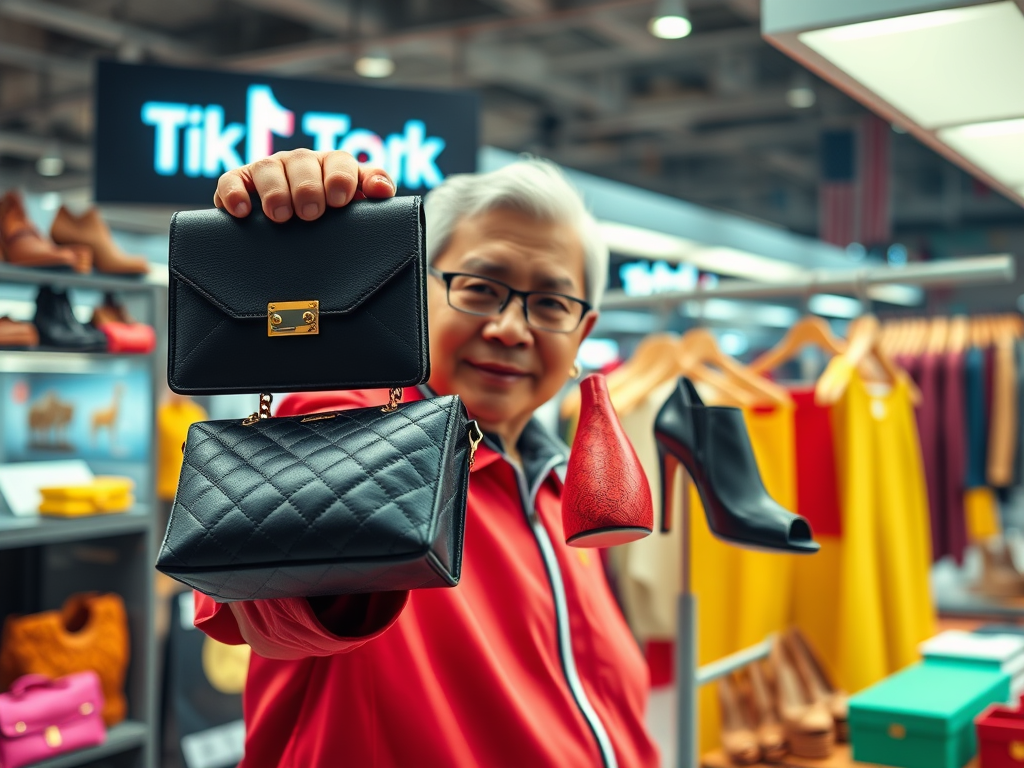

Chinese factories are turning directly to American consumers via social media platforms like TikTok and Instagram, urging them to purchase luxury-inspired products at bargain prices. This direct-to-consumer approach comes at a time when the United States is poised to impose steep tariffs on Chinese imports — yet, rather than dissuade shoppers, it seems to be fueling interest.
Chinese Manufacturers Make Appeals to Americans: Buy Direct

These videos often make a bold claim: consumers can now buy handbags, leggings, and shoes that look nearly identical to those from elite brands like Lululemon, Hermes, or Birkenstock for a fraction of the retail price. Some even go so far as to suggest — often inaccurately — that the products are made in the same factories as the originals, implying consumers are getting “factory-direct” access to high-end merchandise.
The trend has taken off, with American influencers eagerly jumping on board. Many have begun endorsing the Chinese sellers and encouraging their followers to download e-commerce apps like DHGate and Taobao, platforms that allow international buyers to connect directly with manufacturers. This strategy is framed as a clever workaround, especially as tariff discussions threaten to drive up the price of everyday and luxury goods. DHGate even landed in the top 10 most downloaded apps on Apple’s App Store and Google Play last week.
These promotional videos are rapidly gaining traction across social media. Hashtags like #ChineseFactory are racking up tens of thousands of posts and millions of views. TikTok and Instagram feeds are flooded with content showing factory owners holding up handbags, shoes, and other items while explaining how much it costs to make them — and how much Americans can save by skipping the brand name.

Perhaps more surprising than the content itself is the tone of many viewer comments. In response to these factory videos, some American users are openly expressing support for China and frustration with their own country’s leadership. Comments such as “Trump picked the wrong fight” and “China is winning this trade war” reflect a growing sense of dissatisfaction and sympathy among certain segments of the U.S. public.
What makes this moment unique is that Chinese business owners and workers — many of whom have limited access to social platforms due to bans within China — are speaking directly to an American audience. In a sense, they’re bypassing traditional media and official diplomacy to tell their side of the story, one TikTok video at a time.
According to Matt Pearl, a technology policy expert at the Center for Strategic and International Studies, these videos are doing more than selling handbags — they’re activating political sentiment. “What we’re seeing is similar to the public reaction when a potential TikTok ban was on the table,” Pearl said. “This time, however, the discussion centers around trade and tariffs, and it’s highlighting just how deeply connected American consumers are to Chinese goods.”
Pearl also speculated that Chinese authorities might be deliberately allowing these videos to remain online — a notable shift given the government’s usual restrictions on content that may infringe on Western trademarks. This change could indicate that economic priorities are taking precedence over intellectual property concerns, at least temporarily.
Requests for comment from both the Chinese Embassy in Washington, D.C., and the Chinese Consulate in New York went unanswered.
Social network analysis firm Graphika has been tracking the trend closely. Analyst Margot Hardy reported that in the week of April 13, the volume of TikTok content promoting direct purchases from Chinese factories surged by nearly 250%. As of late April, the hashtag #ChineseFactory had appeared in nearly 30,000 posts on TikTok and over 27,000 on Instagram — numbers that continue to climb.
Despite the popularity of these videos, retail experts remain skeptical about the authenticity of the products. Forrester analyst Sucharita Kodali explained that the chances of major luxury brands like Hermes or Lululemon sharing factory space with online sellers are slim. Most of these brands have airtight contracts with their manufacturers, which include strict confidentiality clauses. It’s unlikely that any legitimate factory producing for luxury labels would risk breaching those agreements — and jeopardizing long-term relationships — for short-term profit.
Kodali added that the Chinese government might be overlooking the influx of such videos because their focus is currently elsewhere. “Concerns about counterfeit goods harming Lululemon or Chanel are probably far down the priority list for Chinese trade officials right now,” she said. Furthermore, she suggested that many of these sellers may be racing to close sales before new U.S. tariffs — scheduled for May 2 — make shipping goods to America far more expensive.
Still, none of these doubts have dampened consumer interest.
Take Elizabeth Henzie, a 23-year-old from Mooresville, North Carolina. After stumbling upon videos showing the disparity between manufacturing costs and retail prices, she was intrigued. She created a spreadsheet cataloging various factories that claimed to offer “dupes” of sneakers, bags, and other luxury items. She shared the spreadsheet on her TikTok profile, where it quickly went viral, amassing over a million views.

Henzie’s social media efforts didn’t go unnoticed. She was soon offered a role as an affiliate partner for DHGate, receiving free products to review and earning a commission from any resulting sales. From her perspective, the intent behind these Chinese manufacturers’ videos is genuine. “It feels like people from other countries are really trying to help American shoppers save money,” she said. “Even though the political situation is tense, this whole experience has made me feel more optimistic about people coming together.”
However, TikTok — which is owned by the Chinese company ByteDance — has begun removing some of the more blatant counterfeit-related content. The platform cited its policy against promoting fake goods, though many videos continue to circulate through reposts and secondary accounts. Even older videos about Chinese manufacturing are resurfacing in algorithm-driven feeds, especially as interest in the tariff situation intensifies. TikTok declined to provide further comment, and Instagram’s parent company Meta also did not respond.
For many Chinese sellers, these videos represent a lifeline. Yu Qiule, co-owner of a fitness equipment factory in China’s Shandong Province, began posting on TikTok in mid-March after U.S. tariff threats led to a wave of order cancellations. Similarly, Louis Lv, head of exports at Hongye Jewelry Factory in Zhejiang Province, said his team started using TikTok at the end of 2024 as domestic sales began to decline. Since the new tariff announcements, he’s seen his TikTok view counts soar. “We go where the business is,” he said. “That’s the way we think as Chinese entrepreneurs.”
One of the most widely shared videos features a man holding a supposed Hermes Birkin bag while explaining that the cost to produce it is under $1,400 — a stark contrast to the $38,000 retail price. He claimed to use the same materials, minus the logo, and offered his version of the bag for around $1,000. While the original video was taken down, versions of it continue to circulate.
Hermes firmly denied the claims, stating that their handbags are “100 percent made in France.” Birkenstock echoed the sentiment, confirming that their shoes are manufactured exclusively within the EU and describing the viral products as imitations. They added that they had flagged the videos to TikTok, which removed some content on April 15.
Lululemon also responded to the trend, distancing itself from manufacturers who claim to sell its leggings for $5. The company said it has contacted TikTok to remove misleading content and reiterated that it does not work with any of the manufacturers featured in the viral clips.
Still, the message from Chinese sellers is resonating. Whether motivated by economic hardship, opportunism, or genuine consumer solidarity, the surge in “factory direct” videos is shaping a new, unconventional relationship between American shoppers and Chinese producers — one TikTok post at a time.




Leave a Reply