

Elon Musk’s Internet: So Based, Much Wow. So Cringe?

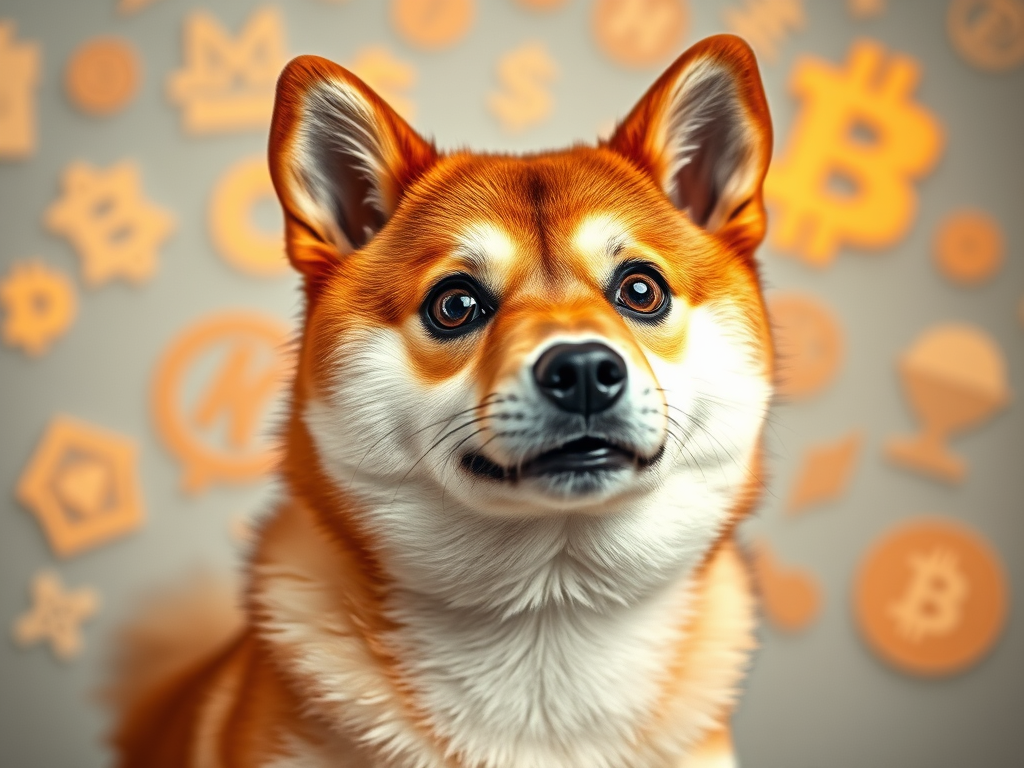
In 2010, a woman in Sakura, Japan, uploaded pictures of her impeccably groomed Shiba Inu to her digital journal. The dog, named Kabosu, gave her a wide-eyed look—an amusing expression that swiftly spread from Tumblr to Twitter, then to Facebook, and ultimately across the internet.
A meme icon was born. On Reddit, someone dubbed the dog “DOGE,” a nonsensical moniker that stuck. Before long, a cryptocurrency was created in DOGE’s honor.
Fast forward 15 years, and in the ever-changing landscape of internet culture, DOGE is now considered ancient history. But try telling that to Elon Musk, who has repurposed the name for his initiative to overhaul the federal government—officially known as the Department of Government Efficiency.
DOGE is just one of many relics from the early internet era that Musk seamlessly integrates into his everyday vocabulary. A quick scroll through his posts on X reveals a collection of aging memes and internet slang—akin to dad jokes for the digitally fluent. Among them:
- Frequent nods to “420,” a decades-old term for marijuana use, said to have originated in a California high school. (After smoking what appeared to be a blunt on Joe Rogan’s podcast, Musk briefly changed his Twitter bio to “420.”)
- Regular appearances of the number “69,” a long-standing slang reference to a sex act that dates back to the Kama Sutra. (Musk, now 53, likes to point out that his birthday falls exactly 69 days after 4/20.)
- Describing things he supports as “epic” or “based,” terms that gained traction on Reddit and were popularized by fans of director Joss Whedon, best known for Buffy the Vampire Slayer and The Avengers films. (Musk has stated that he wants to create a “based” AI with his chatbot, Grok, and recently assured Tesla investors that 2026 would be an “epic” year for the company.)
For those unfamiliar with deep internet culture, Musk’s slang might seem cryptic. But to his followers, his references feel like a nostalgic throwback and a signal of shared perspective.
His posts are steeped in the language of video game warfare and conquest—a vocabulary that resonates with gamers and internet communities who, if they share a certain political outlook, see him as an ally in their skepticism of authority and rejection of so-called “woke” culture. To them, Musk’s updates about DOGE feel more authentic than a traditional press release, a news conference, or—worst of all—anything reported in the mainstream media. The approach mirrors how Donald Trump once used Twitter to establish a sense of unfiltered authenticity during his presidency.
“We’re living through the revenge of the nerds,” said Hasan Piker, a popular progressive commentator who isn’t exactly a Musk fan. “This is the real, actual revenge of the nerds.”
Musk did not respond to a request for comment.
Images of him wielding a chainsaw while wearing “deal with it” sunglasses (another meme reference) encapsulate his long-standing affinity with nerd culture. On Wednesday, he attended the first meeting of President Trump’s new cabinet wearing a T-shirt that read “Tech Support.”
His fans speak his language. They send suggestions on how DOGE could streamline government operations—often using images and memes familiar from Reddit. One perennial favorite is Wojak, a crudely drawn character popularized on 4chan.
Musk often turns to his more than 200 million followers for input, using online polls to crowdsource decisions. The dynamic creates a continuous loop of insider humor for the billionaire, who once hosted Saturday Night Live and takes pride in his comedic sensibilities. (Though he sometimes misjudges his reception; when he appeared on stage with comedian Dave Chappelle in San Francisco, he was met with loud boos.)
“Anyone can find their own community, even if that community is frozen in 2010,” said Brian Feldman, an internet culture writer who has followed Musk’s rise.
Yet, to those well-versed in current internet trends, Musk’s lexicon feels outdated. Even relatively new slang like “no cap” (meaning “no lie”) and “lowkey fell off” (indicating a decline in relevance) are already aging out of use. Some have started questioning whether Musk, once the ultimate internet-savvy billionaire, is losing his edge.
“People often get stuck in the version of the internet they first encountered,” Feldman observed.
Last week, Musk attended a conservative political event sporting dark sunglasses, a chunky gold chain, and a T-shirt that joked about procrastination as “working on side quests”—a phrase borrowed from expansive role-playing games. He referenced the famous Bhagavad Gita quote that physicist Robert Oppenheimer recalled while testing the first atomic bomb: Now, I am become Death, the destroyer of worlds.
“I am become meme,” Musk declared to an unenthusiastic audience. “There’s living the dream, and there’s living the meme—and that’s pretty much what’s happening.”
Even some of his most devoted fans on X cringed. “Elon Musk fell off lowkey,” one user posted.
Musk’s internet style harks back to 2010, an era when nerd culture was thriving. Reddit churned out memes like Lolcats and icanhazcheeseburger. Gamers congregated in online forums and dungeon-crawling RPGs.

This was also the year Musk began his transformation from a wealthy entrepreneur to a full-fledged internet personality. He made a cameo as himself in Iron Man 2, further cementing his status among online fans.
It coincided with the rise of Web 2.0, the more interactive and social phase of the internet. Twitter (long before Musk acquired and rebranded it) functioned as a global town square. Facebook expanded beyond simple status updates with the introduction of “Groups,” fostering niche online communities. Meanwhile, 4chan thrived as an anonymous breeding ground for internet trolling.
While online communities had existed for years, this new wave of social platforms amplified engagement and rewarded the kind of provocative behavior that Musk has since mastered. The right post, framed the right way, could go viral in an instant.
This period also saw the evolution of internet trolling into large-scale, politically charged movements, such as Gamergate, a coordinated campaign of harassment against a female game developer. What started as a supposed debate over journalistic ethics morphed into a broader culture war against diversity, feminism, and what some gamers saw as excessive progressivism in entertainment. Musk, for his part, has echoed these sentiments.
The impact of Gamergate demonstrated that online activism—whether constructive or destructive—could translate into real-world consequences.
Musk’s online persona gradually shifted from corporate updates to outright trolling. In 2018, he tweeted that he had secured funding to take Tesla private at $420 per share. Later, when a rival automaker tried undercutting Tesla’s prices, Musk responded by setting the Model X’s price at $69,420.

“The gauntlet has been thrown down!” he declared. “The prophecy has been fulfilled.”
Unlike other tech moguls who became more reclusive as their fortunes grew, Musk leaned into his internet persona. His relentless posting, absurd humor, and meme fluency made him seem more relatable to certain corners of the online world.
“Some people find him off-putting,” said coldhealing, an anonymous internet culture commentator. “But for those who relate to him—even if they’re a small fraction of the population—they’re an influential group.”
Musk’s internet antics became even more pronounced after the COVID-19 pandemic. He lashed out at Tesla short-sellers, clashed with California officials over factory closures, and in 2023, even live-tweeted a drive to Mark Zuckerberg’s house, threatening a physical showdown. (The highly publicized fight never materialized.)
He posted about playing Elden Ring, Path of Exile, and Diablo IV, signaling to gamers that, despite his billionaire status, he was one of them.
Mark Kern, a former Blizzard game executive, recently posted on X: “Never underestimate gamers. We’re forged in endless boss battles. We don’t quit. We are the terminators of the culture war.”
Musk quoted the post with a simple response: “Yes.”
For conservatives who aren’t deeply immersed in online culture, Musk’s rebellious, chainsaw-wielding persona represents an assault on what they see as a bloated federal government—though even they sometimes struggle to keep up.




Leave a Reply