

The man who traded Luka Dončić: How Mavericks GM Nico Harrison operates

Just over two weeks ago, a groundbreaking trade thrust a relatively unknown NBA executive into the spotlight, making waves beyond basketball circles.https://svtoday.org/
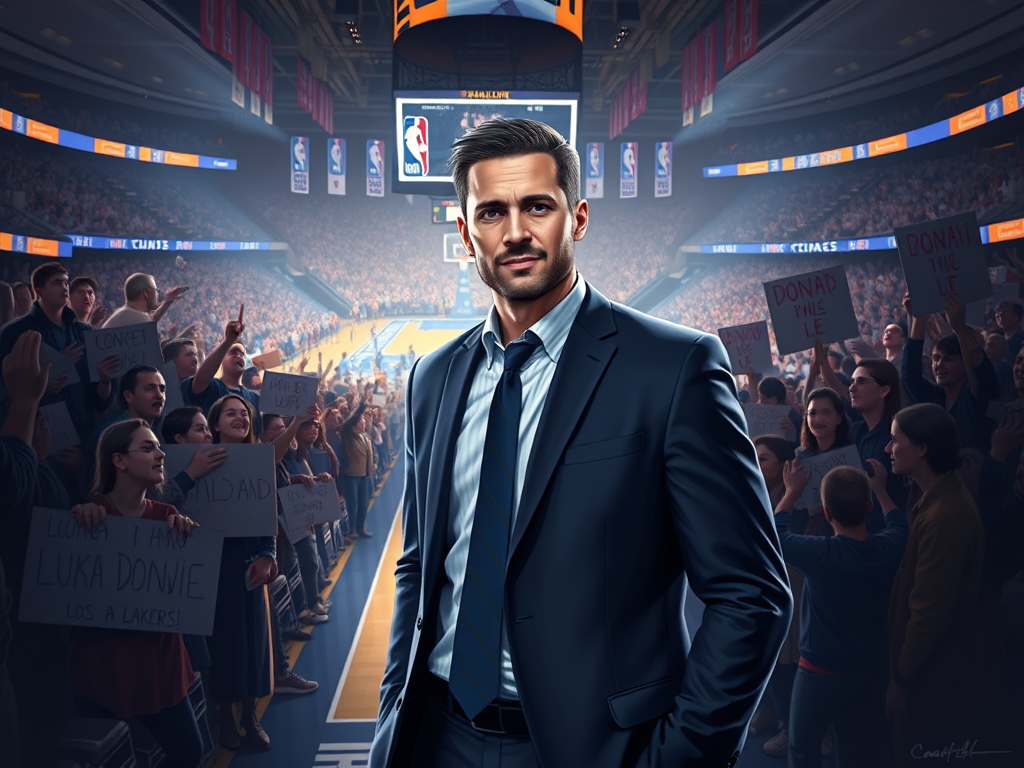
On February 2, Dallas Mavericks general manager Nico Harrison made the unexpected decision to send 25-year-old Luka Dončić to the NBA’s most glamorous franchise, the Los Angeles Lakers. The move was unprecedented in sports history, and the reaction was immediate and intense: crowds gathered outside the Mavericks’ arena mourning with a casket, while others vowed to cancel their season tickets and unfollow the team on social media. Within the NBA, power brokers were left stunned, and conspiracy theories about the team’s new ownership surfaced, including speculation about plans to relocate the franchise—claims which commissioner Adam Silver quickly addressed during All-Star Weekend. But the focus largely remained on Harrison: Who is this guy, and why would he make such a bold move?
The trade itself was shrouded in secrecy, with only a handful of individuals within the Mavericks and Lakers organizations aware of it until the deal was finalized. Even the Utah Jazz, who were involved in the transaction for logistical reasons, weren’t clued in until the last minute.
Harrison, who has always maintained a knack for keeping things under wraps, has a history of keeping secrets. Back in 1992, Harrison, then a defensive-minded forward at Montana State, was asked by his coach, Mick Durham, to keep quiet about an important matter. Harrison’s family couldn’t afford another year of out-of-state tuition, and Durham had agreed to award him a scholarship, but only after the official paperwork was completed.
Harrison kept the secret, even from his own mother. But two weeks later, his mother called Durham, unaware of the arrangement. “We need to know if Nico’s getting that scholarship,” she said, worried about the financial situation.
Those who have followed Harrison’s career describe him as disciplined, detail-oriented, and calm under pressure. They note that he isn’t easily influenced by emotions and that he keeps his plans close to the chest, sharing only with those who absolutely need to know.
Though some have speculated that Harrison’s trade of Dončić stemmed from frustrations over the player’s conditioning, lifestyle choices, and a desire for a better defender, many still view the decision as hasty and irrational. However, those familiar with Harrison’s approach see things differently.
“Nico is incredibly thoughtful,” said Rachel Baker, who worked with him at Nike and now serves as the general manager of Duke men’s basketball. “I wouldn’t describe him as impulsive in the slightest.”
Since taking charge of the Mavericks, Harrison hasn’t been afraid to take risks. Two years ago, he traded for Kyrie Irving when the talented but controversial guard’s stock was at a low point.
“There’s no risk in doing this,” Harrison said at the time, explaining his decision to trade for Irving. “The real risk is not doing it.”
Harrison’s journey into the sports world began over 20 years ago when he was working as a pharmaceutical sales representative. While waiting for a flight to Philadelphia in 2002, he struck up a conversation with Ralph Greene Jr., then Nike’s global marketing director for basketball. The two had a mutual acquaintance, and Harrison seized the opportunity, impressing Greene with his confidence and approach.
“I don’t think many people would have followed up, but Nico did,” Greene said. “He’s just smooth—collected, always in control.”
That encounter led to a job offer at Nike, where Harrison’s career took off. He was part of an exclusive group at Nike called “The Seals,” a reference to elite Navy special operations forces. This group operated behind the scenes, working with top NBA players and handling major deals.

Harrison’s role was to manage relationships with athletes like Kobe Bryant, LeBron James, and later, Luka Dončić. He was also instrumental in Nike signing other stars such as Ja Morant, Devin Booker, and Jayson Tatum. However, not every pitch was a success—Harrison’s attempt to keep Steph Curry with Nike failed, and Curry eventually signed with Under Armour, helping propel the brand’s growth.
Harrison’s move to the Mavericks in 2021 was a significant shift in his career, but his connections in the NBA world remained strong. He had long-standing relationships with people like Lakers GM Rob Pelinka, who had worked with Harrison during his time with Bryant. So when Harrison decided to trade Dončić, he turned to Pelinka, knowing his friend’s discretion would keep the talks private.
This secrecy extended throughout the trade process. Harrison had considered other options but ultimately decided to negotiate only with the Lakers, avoiding a bidding war that would have made the situation more complicated.

“The decision was very calculated,” said Jian Allen, who worked with Harrison at Nike. “He’s a measured risk-taker, never reckless.”
Harrison’s decision to part with Dončić may have shocked the public, but it was grounded in his experience at Nike, where he learned the importance of discipline, attention to detail, and strategic thinking. His focus on culture and team values played a key role in his decision, especially when it came to Dončić’s behavior and conditioning.
“Luka is a great player, but his approach didn’t align with the culture we’re trying to build here,” Harrison said after the trade. “We need people who fit into our system and add to our culture.”
By the time the trade was finalized, Harrison had already made up his mind. He had weighed the risks and benefits, and while the deal was met with skepticism by many, he felt confident it gave the Mavericks the best chance at success.
“Nico is the kind of guy who trusts his instincts,” said Danny Sprinkle, a former college teammate of Harrison’s. “He’s never one to act impulsively—he does his homework, and when he makes a decision, it’s well thought out.”

While the trade for Dončić will likely be remembered as one of the most controversial in recent NBA history, those who know Harrison best believe he was simply following the same principles that guided his entire career: thoughtful risk-taking, an unwavering belief in his process, and a commitment to building something lasting. Whether or not the trade pays off will only be revealed with time. But for Harrison, the decision was one he felt was worth making.
“Doing nothing is always the easy option,” Harrison said after the trade. “But we truly believed in this. Time will tell if we were right.”




Leave a Reply