
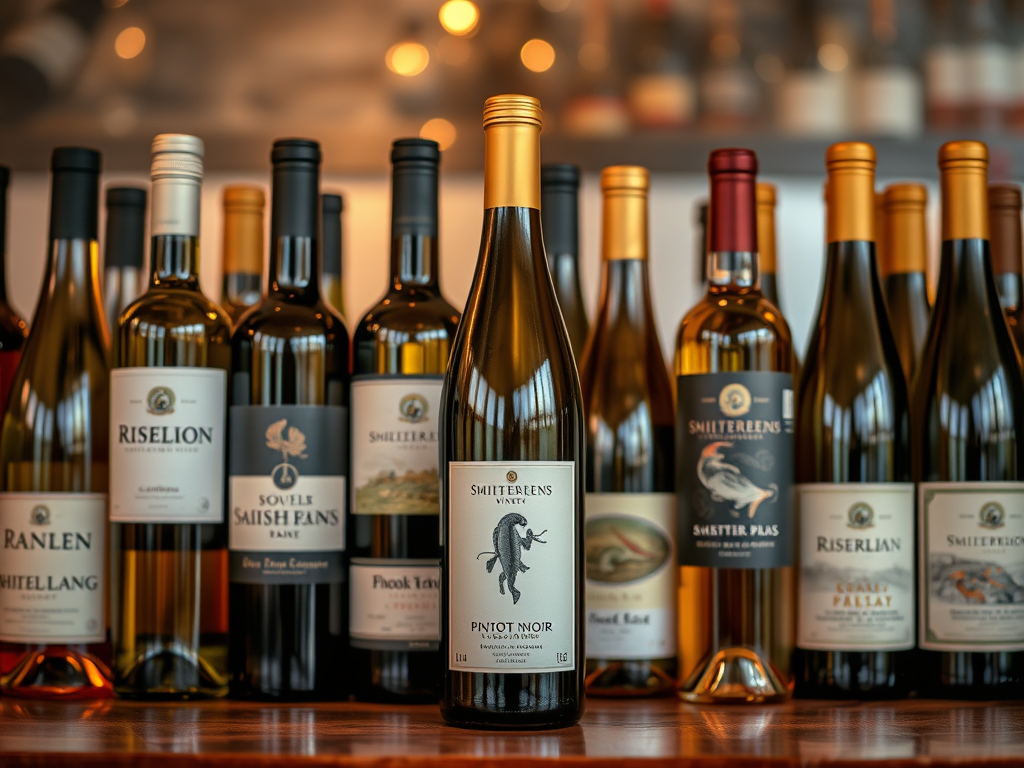

The wine list at Smithereens, a newly opened seafood restaurant in the East Village, is nothing short of surprising.
Restaurant Wine Lists Are Getting Much Shorter

Among its 62 options, more than half—32, to be exact—are rieslings. Another 29 are various other white wines. Remarkably, there is only a single red: a pinot noir from Shelter Winery in Germany’s Baden region.
Such a bold selection might strike some as self-indulgent, but I find it refreshing. It’s rare to encounter a wine list with such a distinct personality. According to the wine director, Nikita Malhotra, there’s no aversion to red wines. In fact, later this spring, she plans to curate a list entirely focused on grenache wines from sandy soils—this time flipping the balance to include all reds, with just one white.
“With a compact list, you have the freedom to experiment,” she explained.https://wordpress.com/
Since restaurants began reopening post-pandemic, I’ve noticed a trend toward shorter wine lists. These vary in size—some as concise as 30 bottles, while others extend to 300—but they are increasingly focused and curated to express a clear point of view, reflecting the restaurant’s essence.
Ms. Malhotra emphasized that shorter lists allow for creativity and encourage guests to try something new. “People are drawn to a story,” she said. “I’ve met these producers, shared meals in their homes. With a big list, people tend to stick with what they already know.”
Initially, I thought these streamlined lists were a pandemic byproduct. Many restaurants sold off wine inventories to stay afloat during the 2020 shutdowns and kept leaner lists upon reopening due to economic uncertainty. But even as the industry recovers, concise, thoughtfully curated wine lists remain popular. Rising costs and shifting drinking habits—particularly among younger generations—are likely contributing factors.
Restaurants now aim to make wine lists less daunting and more inviting. For example, Grant Reynolds, who manages wine programs at several New York establishments, offers a compact selection of around 30 bottles, supplemented by a note that broader options are available on request. “This approach feels welcoming,” he explained. “Guests get a sense of our perspective without sifting through an overwhelming list.”

Concise lists also simplify operations. “Servers can’t be experts on every bottle in a vast collection,” Reynolds noted, “but they can master the smaller selection.”
At Dunsmoor, a Southern-inspired eatery in Los Angeles, the wine list, though limited to 60-70 bottles, is regularly updated. Wine manager Rachael Davis explained, “We wanted the list to feel accessible, not intimidating, so we keep it concise and change it daily.”
Price sensitivity also plays a role. Dunsmoor’s list includes numerous bottles under $100—a rarity these days—while integrating a few higher-priced options.
Borgo, a recently opened Italian restaurant in New York, takes a slightly different approach with a rotating list of 150-200 bottles. While largely Italian, it includes selections from France, North America, and even Virginia, reflecting the diverse tastes of its wine director, Lee Campbell. “We’re inspired by Italy but also celebrate New York’s dynamic wine market,” she said.
Campbell values the flexibility of a smaller list. “It allows us to adapt as we define who we are,” she explained.

Not all venues have embraced brevity. Institutions like Chambers in TriBeCa and Michelin-starred establishments like Le Bernardin continue to showcase expansive wine collections. While these extensive “wine bibles” are impressive, I personally appreciate concise, sharply curated lists that display a clear vision.
Take Cafe Mutton in Hudson, New York, for instance. When it first opened, the brunch-centric spot featured a wine list of just three bottles, perfectly suited to its small size and ever-changing menu. The list has since grown to eight or nine bottles, but its character remains unchanged. “We update the list daily to reflect what we’re cooking,” said chef-owner Shaina Loew-Banayan. “It’s part of what makes us unique.”
Ultimately, whether a wine list is vast or succinct, what matters most is that it aligns with the restaurant’s identity and creates an inviting experience for guests.




Leave a Reply