


University of California Resolves Civil Rights Complaints Over Gaza Protests

The University of California has resolved federal civil rights complaints from students who reported experiencing antisemitism, as well as anti-Arab and anti-Muslim discrimination at UCLA and four other campuses, following protests related to the Israel-Hamas conflict, the U.S. Department of Education announced on Friday.
This announcement follows similar agreements that the Department’s Office for Civil Rights has reached with other institutions, such as Brown University, Temple University, the University of Cincinnati, and the School District of Philadelphia, in recent months.
As recipients of federal funds, universities like the University of California must comply with federal regulations that prohibit discrimination based on race and other protected identities. These regulations are intended to ensure a non-hostile environment conducive to learning. Since 2023, numerous institutions have been investigated by the Department of Education in response to complaints of discrimination, with many cases still under review.
After the October 7 Hamas attack on Israel and the subsequent Israeli invasion of Gaza, many UCLA students reported hearing antisemitic chants at pro-Palestinian demonstrations, including the phrase “no peace until they’re dead,” as documented in an Education Department investigation. Additionally, some pro-Palestinian students claimed to have been harassed by fellow students and members of the public.
In April, during a pro-Palestinian encampment at UCLA, some Jewish students stated that they were barred from entering certain areas and campus buildings by pro-Palestinian protesters unless they renounced Zionism. Many Palestinian, Arab, and pro-Palestinian students also reported being attacked by counterprotesters, according to the Department of Education.https://wordpress.com/
Similar incidents of hostility toward Jewish, Arab, and Muslim students were reported at UC campuses in Davis, San Diego, Santa Barbara, and Santa Cruz. At UC Santa Barbara, for example, antisemitic graffiti was found in a dorm room, and signs targeting Jewish students were displayed at a student center.
To address the complaints, the University of California has agreed to take several steps, including conducting more thorough investigations into reports of discrimination and harassment, offering additional training to university staff on their responsibilities to prevent discrimination, and seeking approval from the Department of Education for any changes to university policies related to discrimination based on race, color, or nationality.
In a statement following the announcement, the University of California expressed its commitment to rejecting antisemitism, Islamophobia, and all forms of discrimination, adding that it had taken further actions to support students, such as establishing a systemwide office of civil rights.
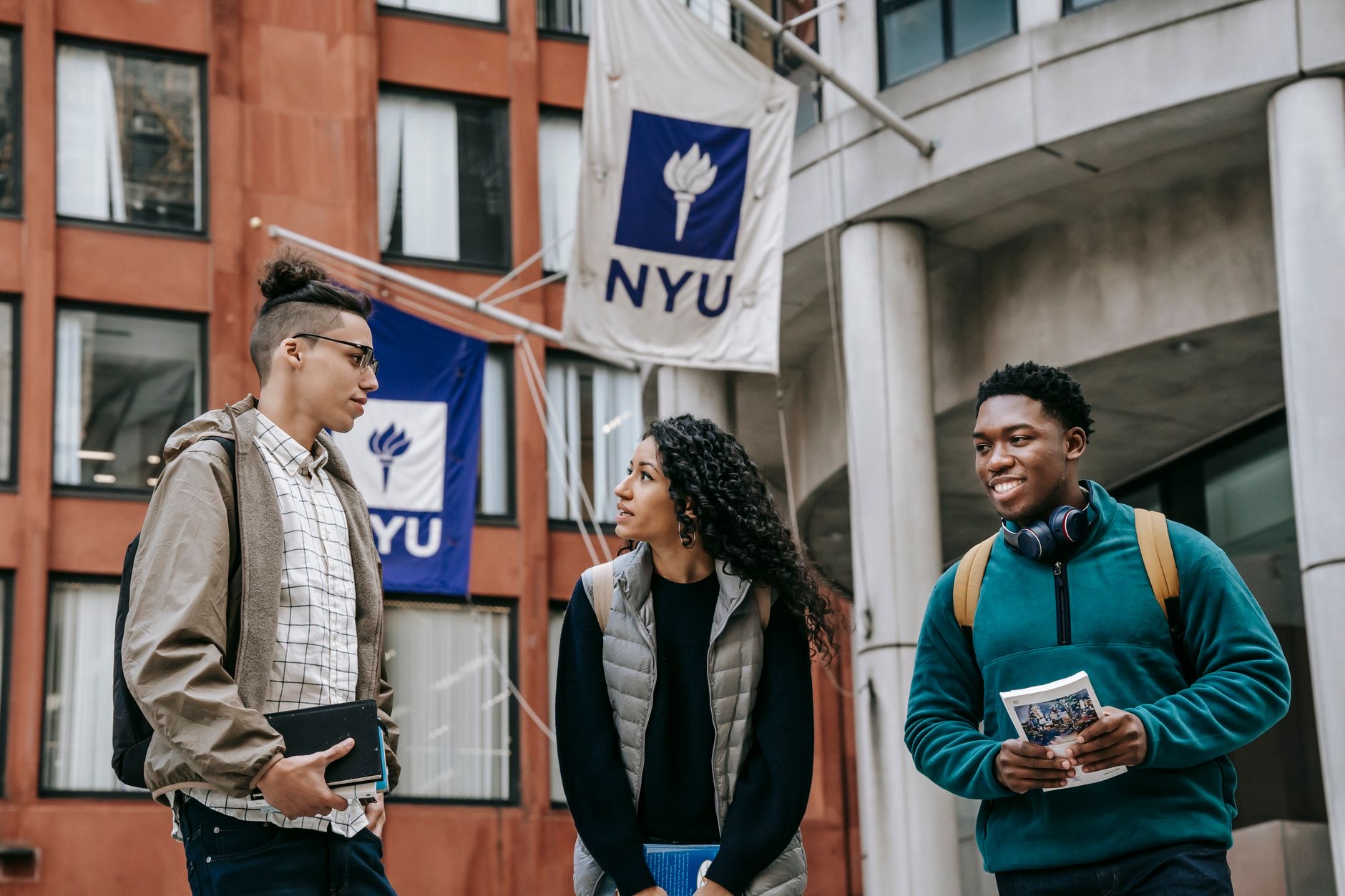
The wave of protests on college campuses following the October 7 attacks has led to numerous legal actions against universities, with some leaders being removed from their positions for failing to protect students from discrimination. Some institutions, including New York University, have agreed to make financial settlements in addition to revising their policies.

UCLA was one of the most active protest sites in the country. Initially, university administrators took a relatively tolerant stance toward a pro-Palestinian encampment on campus. However, after several days, Chancellor Gene Block declared the encampment illegal and ordered demonstrators to leave. On April 30, a group identifying as Zionist attacked the encampment.
According to a university report, pro-Palestinian students at the encampment were assaulted with “bear mace and other chemical irritants, hammers, knives, stink bombs, high-grade fireworks, baseball bats, metal and wooden rods.” One counterprotester allegedly carried a gun, and protesters claimed that campus security was slow to intervene. University reports indicate that attackers were allowed to leave without being apprehended until law enforcement intervened hours later.
On May 2, police raided the encampment and arrested over 200 protesters. An independent investigation into the events was released last month and is currently under review by the university, with recommendations focusing on developing more effective response plans for future campus unrest.


Leave a Reply